Key takeaways
- The Bank of Canada held its policy rate at 2.25% on June 10, 2026.
- Elevated oil prices and sticky inflation near 2.8% are keeping cuts off the table.
- Variable-rate holders see no change to their cost of borrowing for now.
- Fixed rates are driven by the bond market, not the overnight rate — and they have been easing.
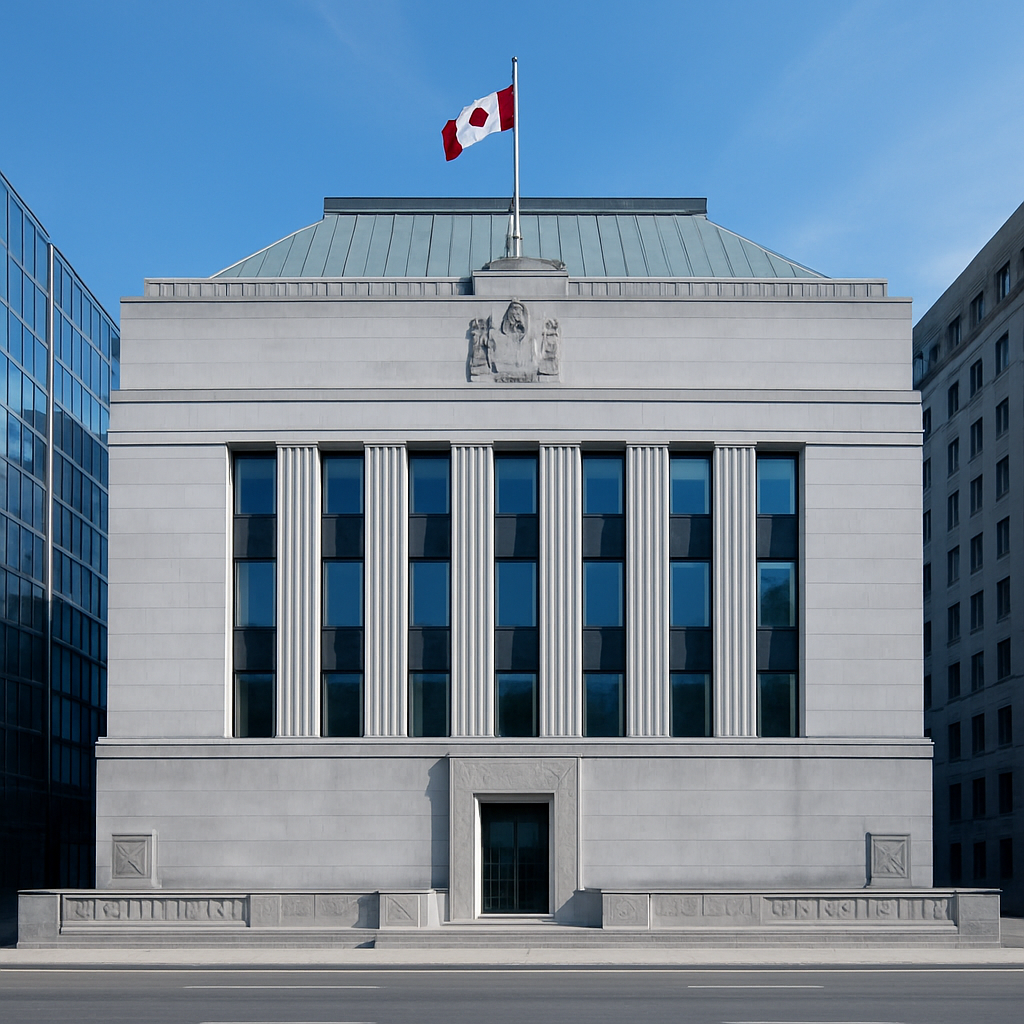
For the second meeting in a row, the Bank of Canada has chosen to sit still. On June 10, 2026, the central bank held its benchmark overnight rate at 2.25%, with the Bank Rate at 2.5%. After the rapid cuts of previous years, the message to households is now one of patience rather than relief.
Why the Bank is holding
The decision comes against a complicated backdrop. Inflation has proven stubborn, hovering around 2.8% — above the Bank's 2% target. At the same time, elevated global oil prices and ongoing supply-chain disruptions are adding upward pressure on costs, even as domestic economic growth stays weak. That combination leaves the Bank with little room to cut without risking a fresh inflation problem.
Governor Tiff Macklem signalled that the bar for near-term cuts is high, and markets have responded by pushing their expectations for the next move well into 2027. Some economists have even floated the possibility that the next change could be a hike rather than a cut, if oil and inflation surprise to the upside.
What it means if you have a variable-rate mortgage
If your mortgage rate floats with the prime rate, a hold means stability: your rate and payment are unchanged by this decision. That is welcome news after years of volatility, but it also means the rate relief many variable holders were hoping for has been pushed further out. If your budget is tight, this is a good moment to stress-test it against a no-cut scenario rather than betting on cuts that may not arrive this year.
What it means for fixed rates
Here is the part many borrowers miss: fixed mortgage rates do not move with the Bank's overnight rate. They track government of Canada bond yields, which reflect where the market thinks rates are heading over the next several years. Because investors have already priced in a long pause, fixed rates have actually been drifting lower. As of early June, a five-year fixed sat around 4.73% and a three-year fixed near 4.59%, with some insured five-year fixed products forecast to dip toward 3.99%.
That divergence — a frozen policy rate but easing fixed rates — is exactly why shopping the whole market matters right now. The best move for your neighbour may not be the best move for you.
The bottom line
A hold is not a signal to wait on the sidelines. Whether you should lean fixed or variable depends on your timeline, your risk tolerance, and how much payment certainty you need. A licensed Finevo advisor can compare today's fixed and variable options across more than 40 Canadian lenders and model what each would mean for your monthly payment.
This article is general information about Canadian mortgages and is not financial advice. Rates, programs, and eligibility are subject to change and to lender and insurer qualification. Figures cited reflect market conditions at the time of writing. Speak with a licensed Finevo advisor for guidance specific to your situation.