Key takeaways
- The Bank of Canada held the overnight rate at 2.25% on September 2, 2026, with the Bank Rate at 2.50% and the deposit rate at 2.20%.
- Canada’s prime rate remains about 4.45%, so variable-rate mortgages, HELOCs and other prime-linked credit should not see an immediate rate-driven payment change.
- This is the seventh consecutive hold, with the last rate change in October 2025.
- The new concern is inflation risk from the U.S.–Canada tariff conflict and elevated energy prices tied to Middle East tensions, making near-term cuts less likely.
What changed in the September decision
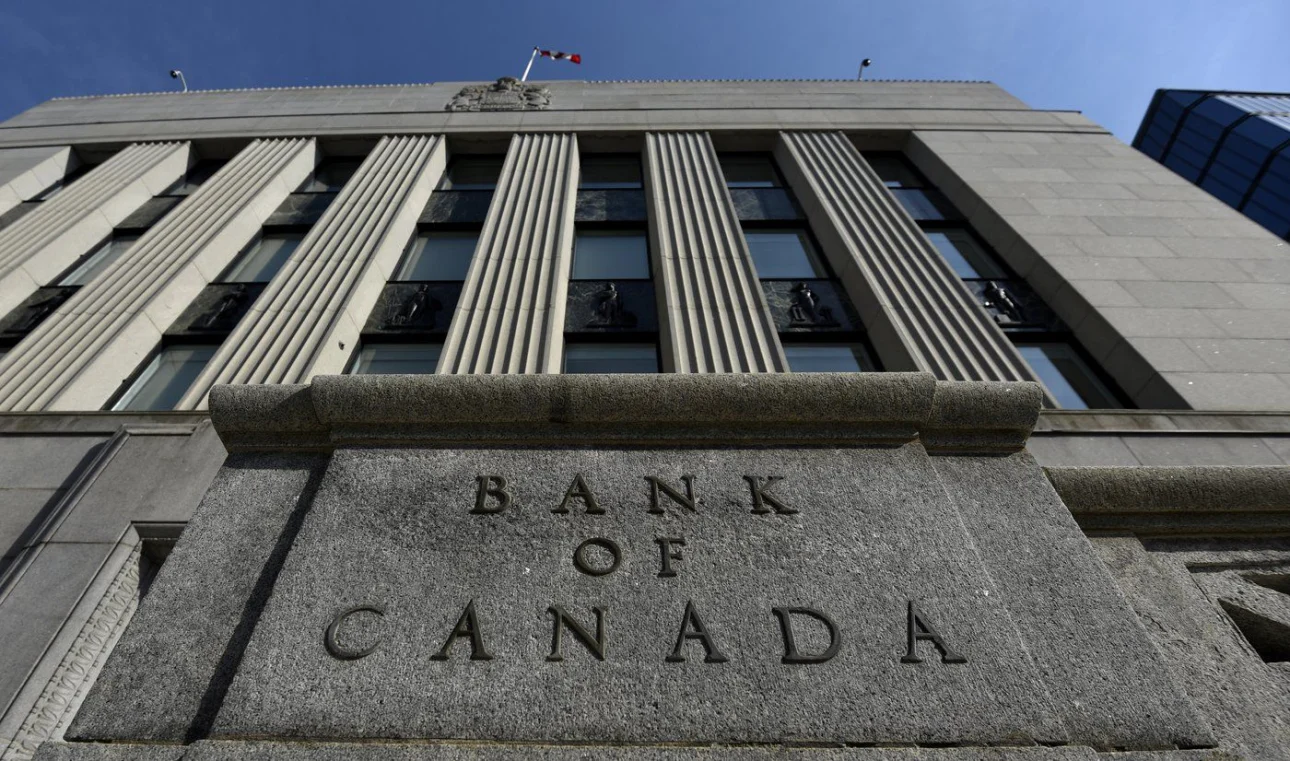
The Bank of Canada held its policy rate steady again on Wednesday, September 2, 2026, keeping the target for the overnight rate at 2.25%. The Bank Rate remains 2.50% and the deposit rate remains 2.20%. This marks the seventh consecutive hold, with the last change coming in October 2025.
For borrowers, the rate decision itself means no immediate change to borrowing costs on products tied to prime. Canada’s prime rate remains about 4.45%, unchanged since October 2025 and still closely tied to the overnight rate.
Why the Bank held again
The Bank pointed to a broadening recovery, but also made clear that uncertainty remains high. The most important change from recent decisions is the stronger focus on upside inflation risks.
Those risks are coming from two main places: the continuing Middle East conflict, which is constraining the Strait of Hormuz and keeping oil and energy prices elevated, and the escalating U.S.–Canada tariff conflict. New U.S. tariffs and Canadian counter-tariffs are lifting business costs and could work their way into consumer prices.
- Variable-rate mortgages: no immediate Bank of Canada-driven change if your rate moves with prime.
- HELOCs and lines of credit: no immediate rate change expected from this decision, assuming they are prime-linked.
- Fixed mortgage rates: not directly set by the Bank of Canada, but they can be affected if bond yields rise on inflation concerns.
- Buyers and renewing owners: affordability relief is delayed again, so planning should still assume elevated payments.
What it means for mortgages now
For variable-rate mortgage holders and homeowners using HELOCs, the practical message is stability, not relief. Payments and interest costs tied to prime are not being pushed higher by this decision, but they are also not coming down yet.
For fixed-rate shoppers, the Bank of Canada’s hold was widely expected, so the decision alone does not automatically move fixed mortgage rates. However, the Bank’s sharper warning about inflation risks from tariffs and energy shocks matters because fixed rates are influenced by bond yields. If markets demand higher yields to compensate for inflation risk, that can keep pressure on fixed mortgage pricing.
How buyers and renewers should respond
If you are buying or renewing in 2026, the safest assumption is that lower rates are not something to build your whole plan around. More balanced resale conditions and an easing rental market may give some households more time and choice, but today’s decision reinforces that mortgage planning still needs to work at current payment levels.
A Finevo advisor can help you compare options across 40+ Canadian lenders, stress-test your renewal or purchase budget, and decide whether variable, fixed or shorter-term flexibility fits your situation. If your mortgage is coming up or you are shopping this fall, a clear plan matters more than trying to guess the next Bank of Canada move.
This article is general information about Canadian mortgages and is not financial advice. Rates, programs, and eligibility are subject to change and to lender and insurer qualification. Figures cited reflect market conditions at the time of writing. Speak with a licensed Finevo advisor for guidance specific to your situation.